

TRYBE COUNSELLING & THERAPY

Choosing the Right Therapist for Your Teen


A Parent's Guide

Finding the right support for your child can be overwhelming. Between endless online directories and identical-looking websites, it's easy to get lost in a sea of clinical acronyms – without anyone explaining how they will actually help your teen. To help you navigate this choice, our team has broken down the 6 non-negotiable qualities we believe an effective youth counsellor or therapist must have. This is the standard we hold our own practice to.

Two blue armchairs in a quiet counselling room
TRYBE COUNSELLING & THERAPY

Choosing
the Right Therapist for Your Teen


A Parent's Guide

Finding the right support for your child can be overwhelming. Between endless online directories and identical-looking websites, it's easy to get lost in a sea of clinical acronyms – without anyone explaining how they will actually help your teen. To help you navigate this choice, our team has broken down the 6 non-negotiable qualities we believe an effective youth counsellor or therapist must have. This is the standard we hold our own practice to.

Two blue armchairs in a quiet counselling room

6 Things to Look for
When Choosing a Therapist for Your Teen

6 Things to Look for When Choosing a Therapist for Your Teen

PHASE ONE: ASSESSMENT

How They See Your Teen

1. They understand the neurobiology of distress

THE CONVENTIONAL APPROACH

Using empathy, advice, and conversation to try and convince a teen to change.

THE SKILLED APPROACH

Looking beneath the surface of the interaction, and working with your teen's brain, nervous system, and physiological stress responses to facilitate deeper shifts in beliefs and behaviour.

THE Conventional Approach

Using empathy, advice, and conversation to try and convince a teen to change.

THE SKILLED APPROACH

Looking beneath the surface of the interaction, and working with your teen's brain, nervous system, and physiological stress responses to facilitate deeper shifts in beliefs and behaviour.

It’s an unfortunately common scenario: a teen likes their therapist and seems to enjoy the sessions, but months or years later, the underlying anxiety, withdrawal, or behavioural struggles remain largely unchanged.

This happens because traditional “talk therapy” doesn’t sufficiently account for how stress rewires the brain.

When a young person is pushed past their limit by anxiety, academic pressure, or emotional overwhelm, their Autonomic Nervous System automatically shifts them into a physiological stress state, such as Fight (outbursts, defiance), Flight (escapist addictive behaviours), Freeze (shutdown, withdrawal), or Fawn (appearing compliant to appease others).

In these states, the rational parts of their brain – and often even the parts capable of making empathetic connections to others – go temporarily offline.

When this happens, trying to get the teen to open up about their problems will be unproductive. They either shut down further, or “play along” (a Fawn response) without any real internal shift.
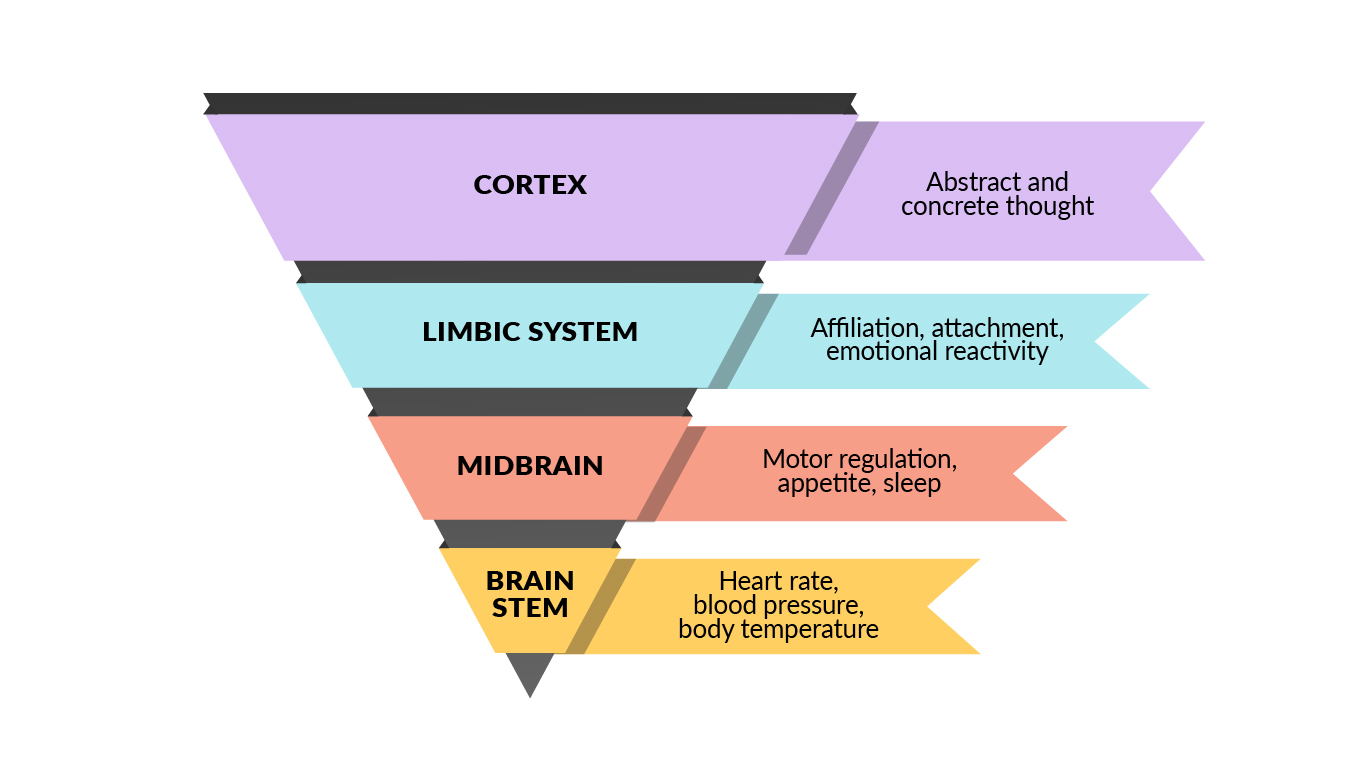
In these states, the rational parts of their brain – and often even the parts capable of making empathetic connections to others – go temporarily offline.

When this happens, trying to get the teen to open up about their problems will be unproductive. They either shut down further, or “play along” (a Fawn response) without any real internal shift.

This is why our therapists are trained to track a teen’s autonomic state from moment to moment, and to adjust their conversation and interventions accordingly.

When they notice the teen is in significant distress or out of their “window of tolerance”, they’ll first use somatic and nervous system-led tools to regulate them “up” from Freeze or “down” from Fight, Flight, or Fawn.

Diagram of the cortex, limbic system, midbrain and brain stem, showing how stress affects reasoning, connection and emotional regulation

Parts of the brain and their functions. The cortex and limbic system go “offline” under significant stress, biologically restricting the ability to reason, connect, and regulate emotions. Diagram adapted from neurodevelopmental frameworks like Bruce Perry’s Neurosequential Model.

This is why our therapists are trained to track a teen’s autonomic state from moment to moment, and to adjust their conversation and interventions accordingly.

When they notice the teen is in significant distress or out of their “window of tolerance”, they’ll first use somatic and nervous system-led tools to regulate them “up” from Freeze or “down” from Fight, Flight, or Fawn.

Next, when the teen comes back to a more regulated state, they’ll use empathy and attunement to signal safety to their relational and emotional brain. Only when the nervous system is regulated and the relationship is sufficiently secure, will they then begin to process deeper or more complex emotional issues, or bring in cognitive tools like coaching, planning, and advice.

Understanding and utilising this neurobiologically appropriate sequence of care is critical to allowing real, lasting psychological healing take place.

2. They look at root causes, not just symptoms

THE CONVENTIONAL APPROACH

Focusing directly on stopping “bad” behaviours like screen addiction, school refusal, self-harm, withdrawal, or angry outbursts.

THE SKILLED APPROACH

Understanding these behaviours as symptoms of a deeper, unspoken struggle.

THE Conventional Approach

Focusing directly on stopping “bad” behaviours like screen addiction, school refusal, self-harm, withdrawal, or angry outbursts.

THE SKILLED APPROACH

Understanding these behaviours as symptoms of a deeper, unspoken struggle.

It is natural to want disruptive or harmful behaviours to stop immediately. However, modern neuropsychology tells us that symptoms like shutting down, acting out, or addictive behaviour are actually your teen's attempts to regulate an overwhelming or difficult internal state. It is their way of meeting a need they don't know how to express in words. 

If the symptom is...

Severe Withdrawal / Quietness

The underlying state or need might be...

A “freeze” response from a nervous system trying to protect itself from overwhelming pressure.

If the symptom is...

Angry Outbursts / Defiance

The underlying state or need might be...

A “fight” response triggered by feeling misunderstood, unsafe, or pressured.

If the symptom is...

Escapist / Addictive Behaviours E.g. Gaming, Screen Addiction

The underlying state or need might be...

A “flight-freeze” response — a way of running away from a problem by mentally dissociating from it.

If the symptom is...

Extreme Perfectionism / Compliance

The underlying state or need might be...

A “fawn-flight” response — masking deep anxiety by trying to perfectly meet everyone’s expectations to avoid conflict.

It is natural to want disruptive or harmful behaviours to stop immediately. However, modern neuropsychology tells us that symptoms like shutting down, acting out, or addictive behaviour are actually your teen's attempts to regulate an overwhelming or difficult internal state. It is their way of meeting a need they don't know how to express in words. 

If the symptom is... The underlying state or need might be...
Severe Withdrawal / Quietness A “freeze” response from a nervous system trying to protect itself from overwhelming pressure.
Angry Outbursts / Defiance A “fight” response triggered by feeling misunderstood, unsafe, or pressured.
Escapist / Addictive Behaviours
E.g. Gaming, Screen Addiction
A “flight-freeze” response – a way of running away from a problem by mentally dissociating from it.
Extreme Perfectionism / Compliance A “fawn-flight” response – masking deep anxiety by trying to perfectly meet everyone's expectations to avoid conflict.

Instead of focusing directly on the symptoms – which is often counterproductive and can lead to resistance, shame or guilt – an attuned therapist works to uncover the underlying needs behind the symptoms, validate them, and explore healthier, safer ways to meet those needs.

Note: If your teen is “quietly struggling” without major behavioural issues, but you still feel concern– trust your instincts. Significant internal distress can often hide behind “minor” symptoms.

PHASE TWO: INTERVENTION

How They Treat Your Teen

3. They balance real connection with clear direction

THE CONVENTIONAL APPROACH

Letting sessions drift into casual “venting” week after week without a clear goal; or, conversely, forcing a rigid, therapist-led agenda on the teen.

THE SKILLED APPROACH

Combining a warm, authentic relationship with scientific tracking and clear goals.

THE Conventional Approach

Letting sessions drift into casual “venting” week after week without a clear goal; or, conversely, forcing a rigid, therapist-led agenda on the teen.

THE SKILLED APPROACH

Combining a warm, authentic relationship with scientific tracking and clear goals.

Teenagers have an incredibly sharp radar for adult insincerity. If a therapist acts like a rigid authority figure, the teen will close up. The therapeutic alliance (the bond of trust) is the single greatest predictor of therapy success.

However, warmth isn't enough. A skilled therapist sets goals and maintains momentum. We start with collaborative goal-setting, involving your teen in shaping the direction of their own therapy so they’re not a passive participant but an active partner in their own growth.

Then, as therapy progresses, we don’t guess or assume that it’s working. Instead, we use a structured review cadence, including the use of age-appropriate psychometric tracking tools every 5 sessions. This gives us clear data on your teen’s progress and allows us to proactively pivot our strategy as required.

4. They have a multi-modal toolkit
THE CONVENTIONAL APPROACH

Relying solely on traditional, “top-down” cognitive methods – assuming that if a teen can rationally change their thoughts, their feelings and behaviours will follow.

THE SKILLED APPROACH

Using a multi-level toolkit that addresses the mind, body, emotions, and relationships simultaneously.

THE Conventional Approach

Relying solely on traditional, “top-down” cognitive methods – assuming that if a teen can rationally change their thoughts, their feelings and behaviours will follow.

THE SKILLED APPROACH

Using a multi-level toolkit that addresses the mind, body, emotions, and relationships simultaneously.

Traditional “top-down” methods like Cognitive Behavioural Therapy (CBT) can be powerful, but they rely heavily on the rational, logical part of the brain. When a teenager is experiencing intense emotional pain, that logical part of the brain effectively goes offline. You cannot reason away an anxiety attack, and you cannot talk away deep depression.

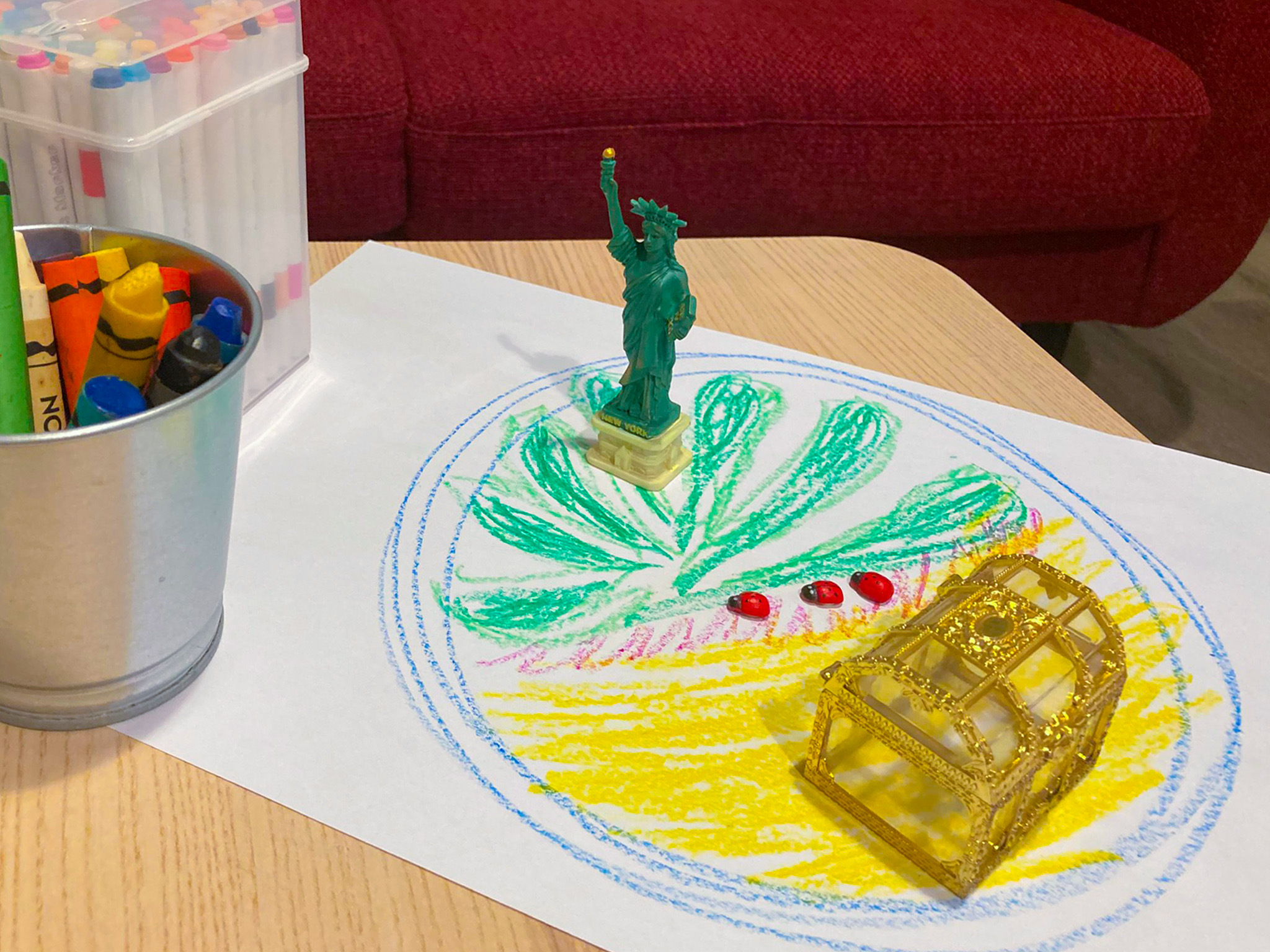
A skilled therapist will use a diverse toolkit. If a teen is too overwhelmed to speak, the therapist might utilise somatic (body-based) tools to lower their heart rate, or limbic system (emotion-focused) modalities like art or expressive therapy, to help them process feelings they don't yet have words for. We adapt the toolkit to your child, rather than forcing your child into one rigid modality.

Expressive therapy tools on a table, including crayons, drawings, figurines and a toy treasure chest
PHASE THREE: INTEGRATION & RESOLUTION

How They Secure Lasting Change Beyond Therapy

5. They build independence, not dependency


THE CONVENTIONAL APPROACH

Creating a dynamic where the teen only feels regulated or safe when they are inside the therapist's office.

THE SKILLED APPROACH

Equipping your teen with an internal toolkit for real life.


THE Conventional Approach

Creating a dynamic where the teen only feels regulated or safe when they are inside the therapist's office.

THE SKILLED APPROACH

Equipping your teen with an internal toolkit for real life.

The ultimate goal of therapy is for your teen to outgrow the need for it. That’s why we strongly advocate for age-appropriate psychoeducation – teaching your child exactly how their brain and stress responses work and how to manage them.

We teach practical emotional regulation, anxiety management, and interpersonal communication skills tailored to their developmental stage (whether they are navigating intense school pressures in their early/mid teens, or transitioning into young adulthood). Your teen will learn how to understand their own internal environment, map their stress, and deploy practical tools to handle conflicts at school, home, and in their future relationships.

6. They partner with you, not treat in a vacuum


THE CONVENTIONAL APPROACH

Keeping parents entirely in the dark under the guise of “client confidentiality”, leaving you feeling anxious and excluded.

THE SKILLED APPROACH

Recognising that you are the most important anchor in your child's life, and actively looping you into the healing process.


THE Conventional Approach

Keeping parents entirely in the dark under the guise of “client confidentiality”, leaving you feeling anxious and excluded.

THE SKILLED APPROACH

Recognising that you are the most important anchor in your child's life, and actively looping you into the healing process.

While your teen needs a private, confidential space to speak without a filter, they do not live in a vacuum. They live within your family system. A therapist works with a child for just one hour a week, so if they never align with the parents, progress is drastically slowed.

We practice Parent-Informed Care. While we fiercely protect your teen’s trust and the specifics of what they share with us, we ensure you are never left guessing. We provide regular, complimentary parent consultations to share key themes, guide you on how to support their nervous system regulation at home, and listen to your invaluable observations. That way, we’re working as team, pulling in the same direction as we support your teen's journey back to well-being.
Our Standard of Care

These six principles are the exact standards we hold our practice to every day. If this structured, relational approach sounds like what your teen needs, we are here to help you clarify the next steps.

Got a question about our availability, fees, or how we match teens to the right therapist? Message our team on WhatsApp (9093 9855) and get a confidential response within 1 business day.

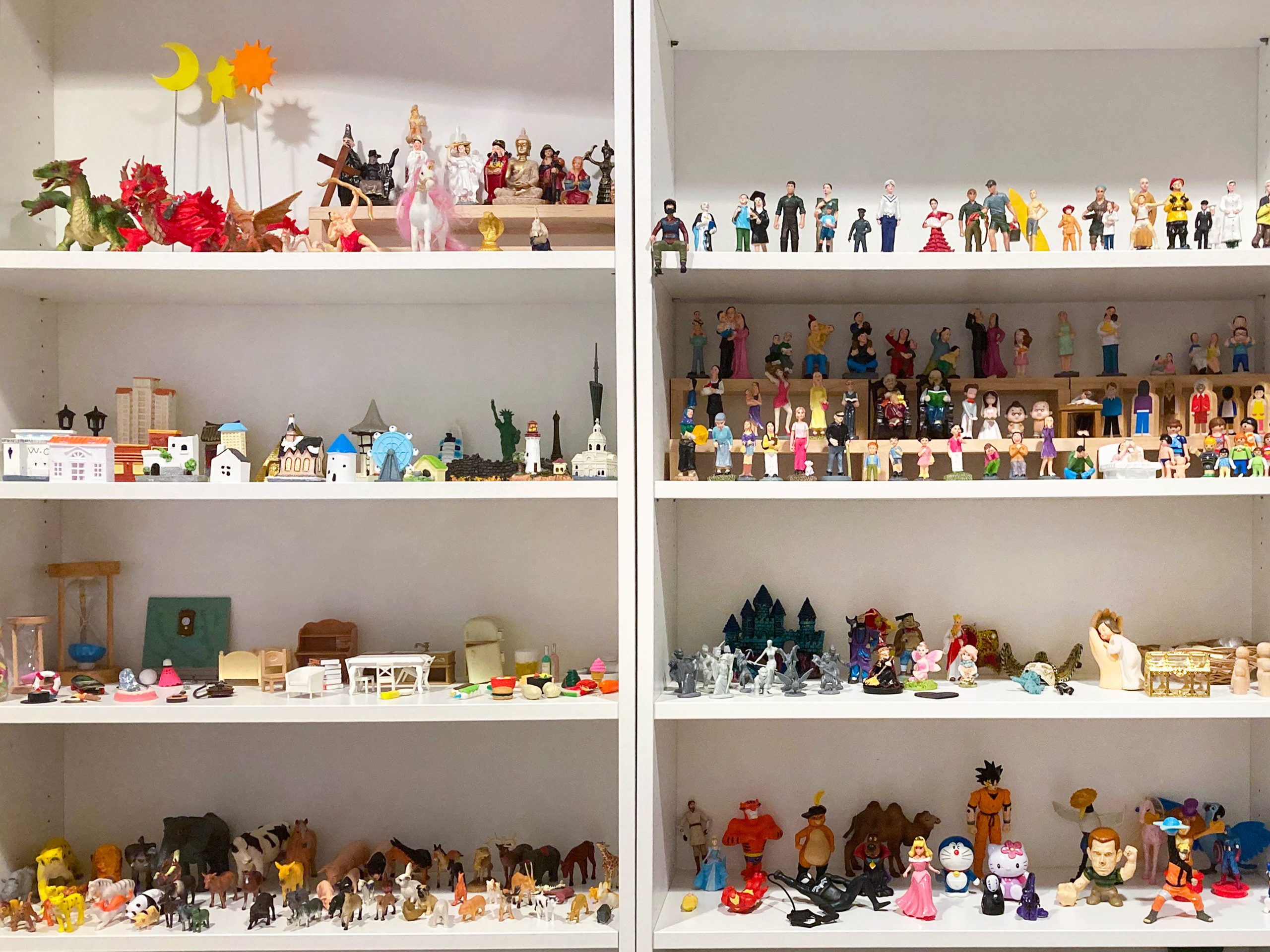
Shelves of miniature figures and play therapy tools used in counselling sessions

Our Standard of Care

These six principles are the exact standards we hold our practice to every day. If this structured, relational approach sounds like what your teen needs, we are here to help you clarify the next steps.

Got a question about our availability, fees, or how we match teens to the right therapist? Message our team on WhatsApp (9093 9855) and get a confidential response within 1 business day.

Meet Our Team

Trybe Counselling & Therapy is a professional practice specialised in helping teens and young adults (aged 12 to 25) to overcome challenges and achieve their goals.

Our team of highly qualified clinicians works with clients on a wide range of complex issues, including but not limited to:

  • Stress, Anxiety, or Worry
  • Low Mood, Sadness, or Depression
  • Anger or Emotional Regulation
  • Trauma or Difficult Experiences
  • Family Relationships or Conflict
  • Friendships or Peer Relationships
  • Self-Esteem or Body Image
  • Identity or Life Direction
  • School or Academic Pressures
  • Grief or Loss
  • Life Transitions E.g. National Service, Divorce
  • Coping Habits E.g. Device Overuse, Self-Harm, Perfectionism

All our therapists are trained in multiple modalities and use a combination of
cognitive (🧠), emotional (❤️), somatic (🧘) and relational (👥) approaches to ensure effectiveness and depth:

Image

Monica Fernando, MA

Available

❤️🧘👥
Satir Transformational
Systemic Therapy

🧠❤️
Cognitive Behavioural Therapy


🧠
Choice Theory / Reality Therapy

🧠❤️
Rational Emotional Behaviour Therapy

🧠❤️
Motivational Interviewing

❤️
Emotion-Focused Therapy


🧠❤️
Addiction Recovery


🧠👥
Triple P Positive Parenting

🧠❤️👥
Family & Couples Therapy

More about Monica
Portrait of Alison Chew, MCon

Alison Chew, MCon

Available

🧠❤️
Cognitive Behavioural Therapy
(Trauma-Focused)


🧠
Choice Theory / Reality Therapy

🧠❤️
Narrative Therapy

❤️🧘👥
Expressive Therapy

❤️👥
Grief & Loss

🧘❤️
Eye Movement Desensitisation
and Reprocessing

More about Alison
Portrait of Kyla Chee, MGC

Kyla Chee, MGC

Available

🧠❤️
Cognitive Behavioural Therapy
(Trauma-Focused)


🧠
Solution-Focused Brief Therapy

❤️🧘
Gestalt Play Therapy

❤️🧘👥
Expressive Therapy

👥🧘❤️
Theraplay / Marschak
Interaction Method

More about Kyla
Portrait of Jo-an Ng, MCouns

Jo-an Ng, MCouns

Waitlist Only

🧠
Acceptance and
Commitment Therapy


🧠
Neuro-Linguistic Programming

❤️
Emotion-Focused Therapy

❤️🧘
Expressive Arts Therapy

❤️👥
Sandtray Therapy

🧘🧠
Clinical Hypnotherapy (Ericksonian)

🧘❤️
Eye Movement Desensitisation
and Reprocessing

More about Jo-an
Portrait of Ruth Ng, MSW

Ruth Ng, MSW

Waitlist Only

🧠❤️
Schema Therapy

❤️
Emotion-Focused
Therapy


❤️👥🧘
Sandplay Therapy

❤️🧘👥
Somatic Experiencing
(Advanced)

More about Ruth

Want to learn more about our therapists or how these modalities work?

Message us on WhatsApp (9093 9855) any time to book a free 15-minute discovery call.

Meet Our Team

Trybe Counselling & Therapy is a professional practice specialised in helping teens and young adults (aged 12 to 25)
to overcome challenges and achieve their goals.

Our team of highly qualified clinicians works with clients on a wide range of complex issues, including but not limited to:
  • Stress, Anxiety, or Worry
  • Low Mood, Sadness, or Depression
  • Anger or Emotional Regulation
  • Trauma or Difficult Experiences
  • Family Relationships or Conflict
  • Friendships or Peer Relationships
  • Self-Esteem or Body Image
  • Identity or Life Direction
  • School or Academic Pressures
  • Grief or Loss
  • Life Transitions
    E.g. National Service, Divorce
  • Coping Habits
    E.g. Device Overuse, Self-Harm, Perfectionism

All our therapists are trained in multiple modalities and use a combination of
cognitive (🧠), emotional (❤️), somatic (🧘) and relational (👥) approaches to ensure effectiveness and depth:

Image

Monica Fernando, MA

Available

❤️🧘👥
Satir Transformational
Systemic Therapy

🧠❤️
Cognitive Behavioural Therapy

🧠
Choice Theory / Reality Therapy

🧠❤️
Rational Emotional Behaviour Therapy

🧠❤️
Motivational Interviewing

❤️
Emotion-Focused Therapy

🧠❤️
Addiction Recovery

🧠👥
Triple P Positive Parenting

🧠❤️👥
Family & Couples Therapy

More about Monica
Portrait of Alison Chew, MCon

Alison Chew, MCon

Available

🧠❤️
Cognitive Behavioural Therapy
(Trauma-Focused)


🧠
Choice Theory / Reality Therapy

🧠❤️
Narrative Therapy

❤️🧘👥
Expressive Therapy

❤️👥
Grief & Loss

🧘❤️
Eye Movement Desensitisation
and Reprocessing

More about Alison
Portrait of Kyla Chee, MGC

Kyla Chee, MGC

Available

🧠❤️
Cognitive Behavioural Therapy
(Trauma-Focused)


🧠
Solution-Focused Brief Therapy

❤️🧘
Gestalt Play Therapy

❤️🧘👥
Expressive Therapy

👥🧘❤️
Theraplay / Marschak
Interaction Method

More about Kyla
Portrait of Jo-an Ng, MCouns

Jo-an Ng, MCouns

Waitlist Only

🧠
Acceptance and
Commitment Therapy


🧠
Neuro-Linguistic Programming

❤️
Emotion-Focused Therapy

❤️🧘
Expressive Arts Therapy

❤️👥
Sandtray Therapy

🧘🧠
Clinical Hypnotherapy (Ericksonian)

🧘❤️
Eye Movement Desensitisation
and Reprocessing

More about Jo-an
Portrait of Ruth Ng, MSW

Ruth Ng, MSW

Waitlist Only

🧠❤️
Schema Therapy

❤️
Emotion-Focused
Therapy


❤️👥🧘
Sandplay Therapy

❤️🧘👥
Somatic Experiencing
(Advanced)

More about Ruth

Want to learn more about our therapists or how these modalities work?
Message us on WhatsApp (9093 9855) any time to book a free 15-minute discovery call.

Our Locations & Hours

East (Tampines)
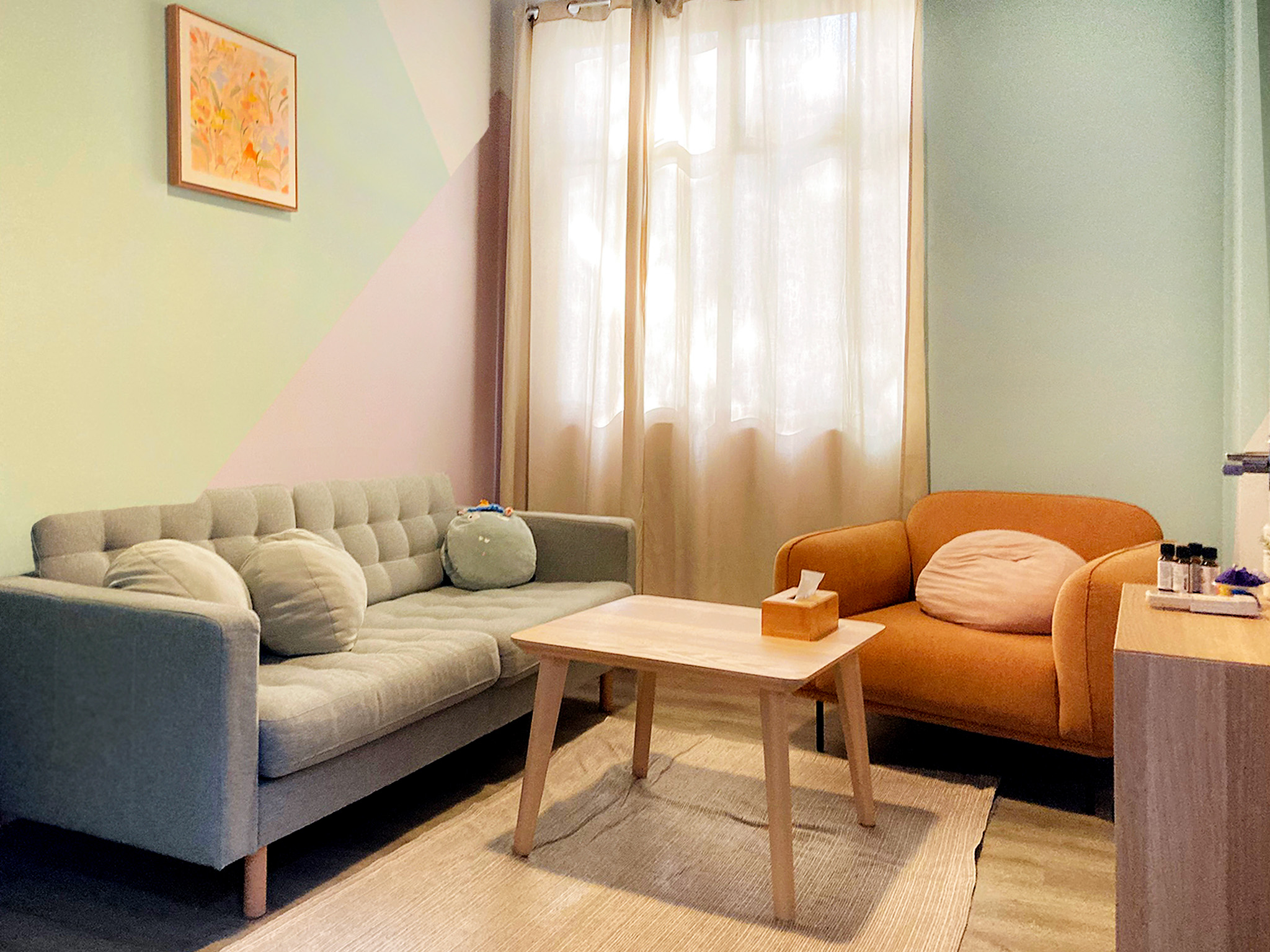
Counselling room at Trybe’s Tampines location with sofas and a small table
479 Tampines Street 44, #01-241
Singapore 520479

Near Tampines East MRT
(Downtown Line, East West Line)

Central (Chinatown)
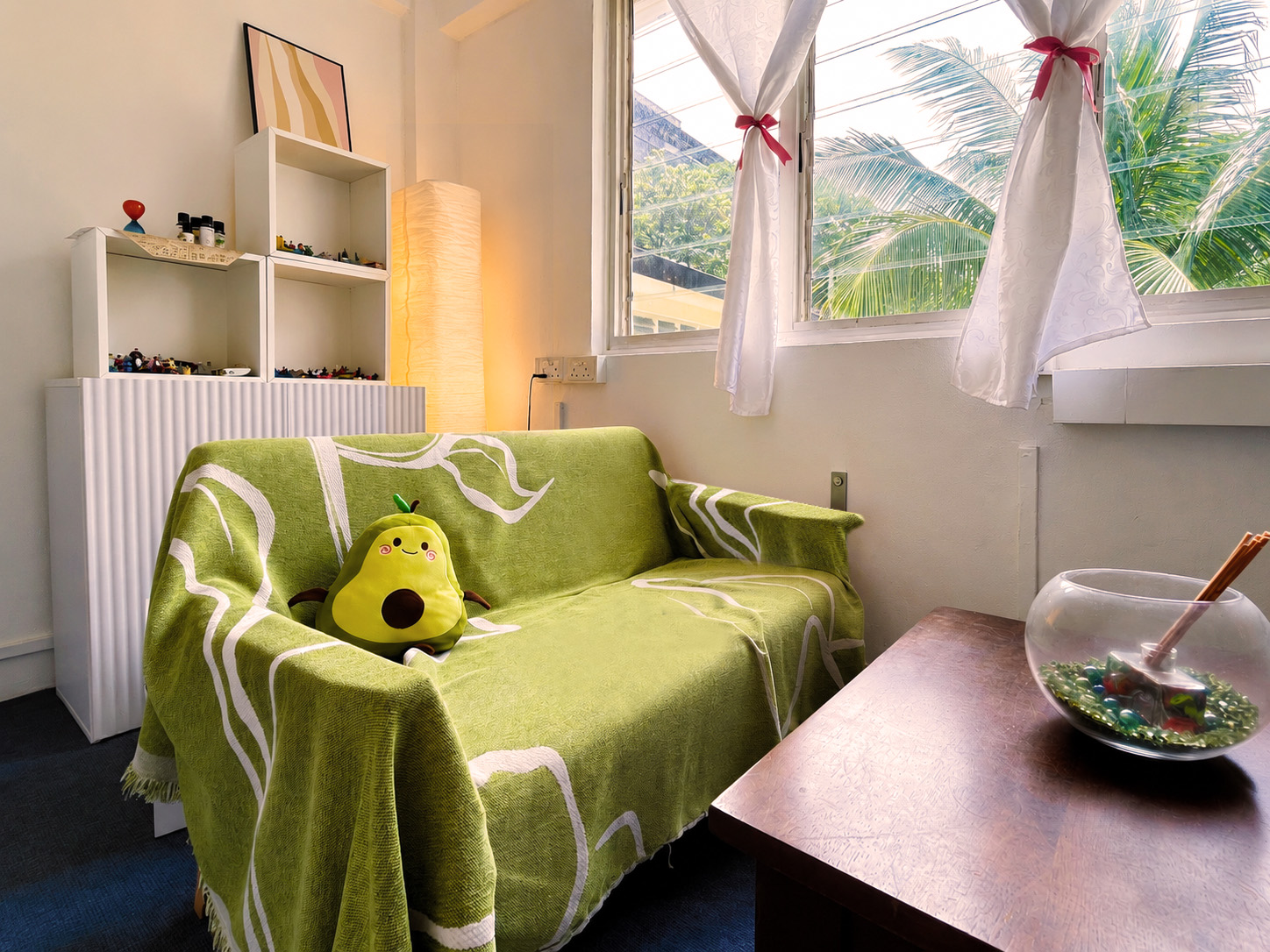
Counselling room at Trybe’s Chinatown location with a green sofa and play therapy materials
195 Pearl’s Hill Terrace, #03-46
Singapore 168976

4-minute walk from Chinatown MRT
(Northeast Line, Downtown Line)

Our opening hours are
Mondays to Fridays, 9am – 6pm.

Evening sessions and online sessions (teletherapy) may be available for clients with special needs or circumstances. Message us on WhatsApp (9093 9855) to enquire.

Our opening hours are Mondays to Fridays, 9am – 6pm.

Evening sessions and online sessions (teletherapy) may be available for clients with special needs or circumstances.
Message us on WhatsApp (9093 9855) to enquire.

Pricing

Our Fees & Inclusions

Our sessions are 60 minutes long, and charged at a flat rate of $170 per session (inclusive of GST). 

To ensure sustainable, holistic progress, this fee includes: 

  • Regular, complimentary parent check-in and alignment calls; 
  • Direct coordination with your child’s school counsellor or doctor (upon request);
  • Evidence-based resources, tools, and materials tailored to your teen's specific therapeutic goals.  

Longer sessions, parent-child sessions, or family therapy may also be arranged on a case-by-case basis, depending on your family's needs. 

Our Community Commitment

Trybe Counselling & Therapy is part of Trybe Limited, an established non-profit organisation. We believe that every young person deserves access to exceptional mental health care.

As part of our social mission, we offer a limited number of subsidised, sliding scale slots for families experiencing genuine financial hardship. If your family requires financial assistance, please click below to see if you qualify.

Check Eligibility

Pricing

Our Fees & Inclusions

Our sessions are 60 minutes long, and charged at a flat rate of $170 per session (inclusive of GST). 

To ensure sustainable, holistic progress, this fee includes: 

  • Regular, complimentary parent check-in and alignment calls; 
  • Direct coordination with your child’s school counsellor or doctor (upon request);
  • Evidence-based resources, tools, and materials tailored to your teen's specific therapeutic goals.  

Longer sessions, parent-child sessions, or family therapy may also be arranged on a case-by-case basis, depending on your family's needs. 

Our Community Commitment  

Trybe Counselling & Therapy is part of Trybe Limited, an established non-profit organisation. We believe that every young person deserves access to exceptional mental health care.

As part of our social mission, we offer a limited number of subsidised, sliding scale slots for families experiencing genuine financial hardship. If your family requires financial assistance, please click below to see if you qualify.

Check Eligibility

Frequently Asked Questions


Your Next Steps

Whether you have more questions or are ready to get started, our team is ready to help. Message us on WhatsApp (9093 9855) to:

Whether you have more questions or are ready to get started, our team is ready to help.
Message us on WhatsApp (9093 9855) to:

We’ll respond within 1 business day.

Copyright © 2007-2026 Trybe Limited. All rights reserved.